

WELLINGTON, New Zealand: A falcon known for hunting parrots, songbirds, and robins has been voted New Zealand's Bird of the Year, in a contest that has become one of the country's liveliest cultural events.
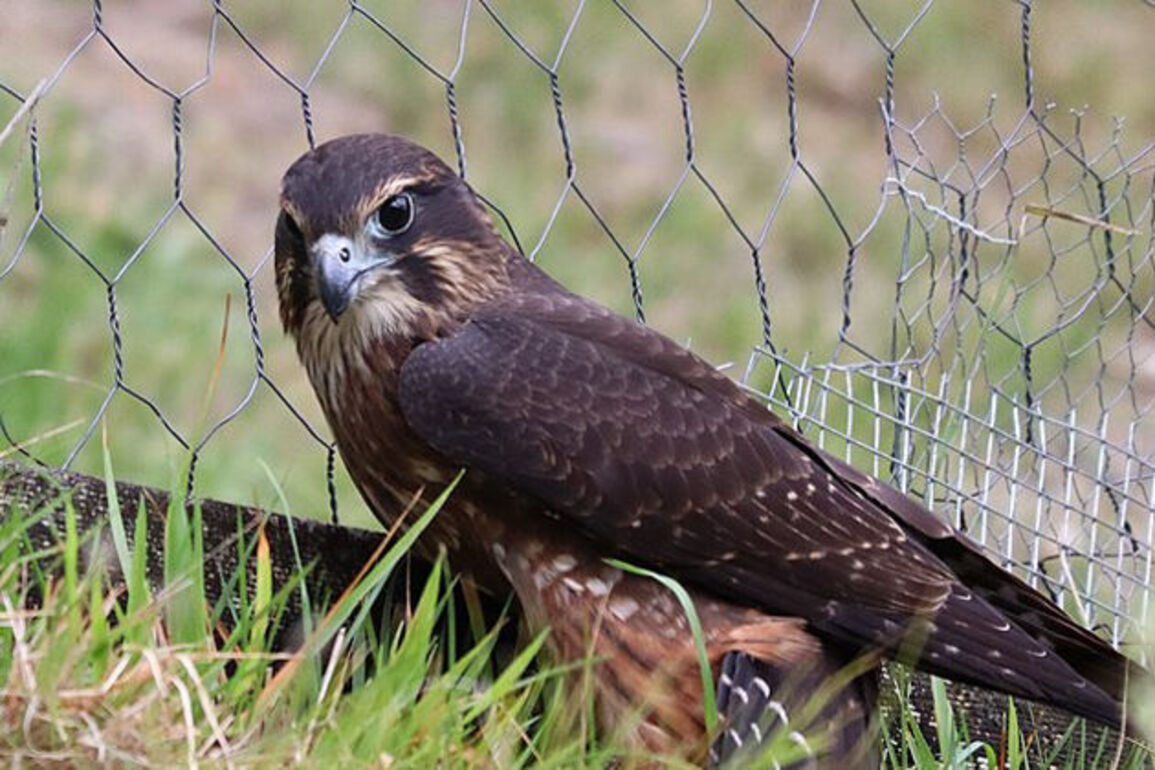
The Kārearea, or New Zealand falcon, took the title on September 29 in the annual poll run by conservation group Forest & Bird. What began in 2005 as a simple email vote has grown into a nationwide phenomenon, with campaign managers, memes, costumes, and even smear tactics deployed to win public support for different native species.
"This is not just a fun vote—it's about drawing attention to the state of our unique birdlife," said Forest & Bird chief executive Nicola Toki. More than 80 percent of New Zealand's native birds are considered threatened to some degree.
Birds have a special place in New Zealand culture, where no native land mammals exist apart from two bat species. The nation's identity itself is tied to the flightless kiwi, while other favorites include mischievous alpine parrots and berry-drunk pigeons.
This year's contest drew more than 75,000 verified votes, one of the largest turnouts in its 20-year history. The Kārearea secured over 14,500, far ahead of rivals. Previous contests have sparked controversy, including fraudulent votes from Australia, a bat winning in 2021, and a campaign led by comedian John Oliver that drove a record-breaking 290,000 votes for the pūteketeke grebe in 2023.
The Kārearea is one of New Zealand's few native raptors, capable of reaching speeds above 200 km/h (124 mph). Its population is estimated at between 5,000 and 8,000, though conservationists say the real figure is uncertain. The species remains at risk from habitat loss and electrocution on power lines.
"They're fast, secretive and exceptional," said Phil Bradfield of the Kārearea Falcon Trust, adding that the bird was a worthy winner.
Despite the excitement, conservationists warn that underfunding and growing costs could leave some of the most endangered species without protection. "People don't come to New Zealand for shopping malls," Toki said. "They come to see our birds and the places they live."